
More Than an Accessory: The Durag as Protection, Discipline, and Culture
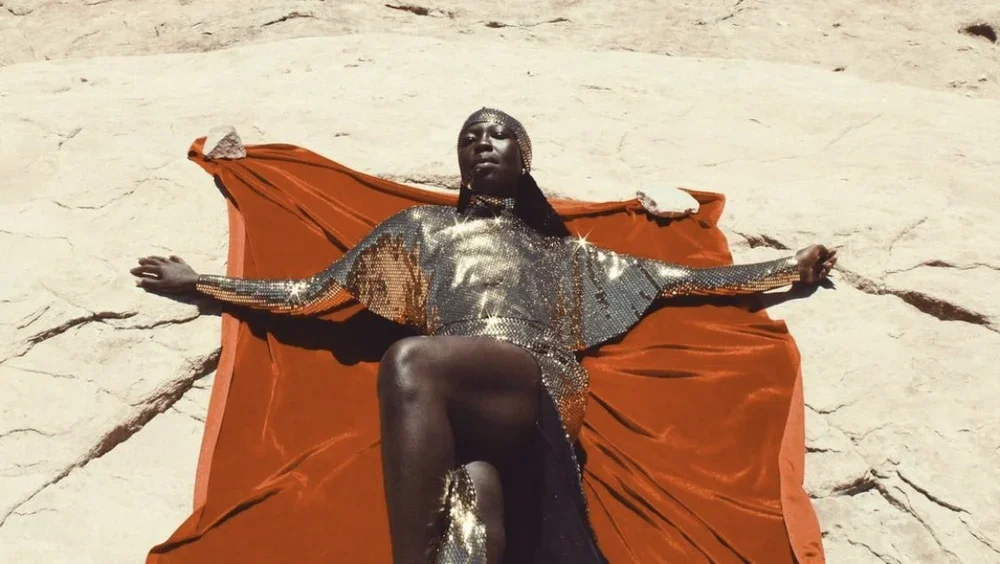
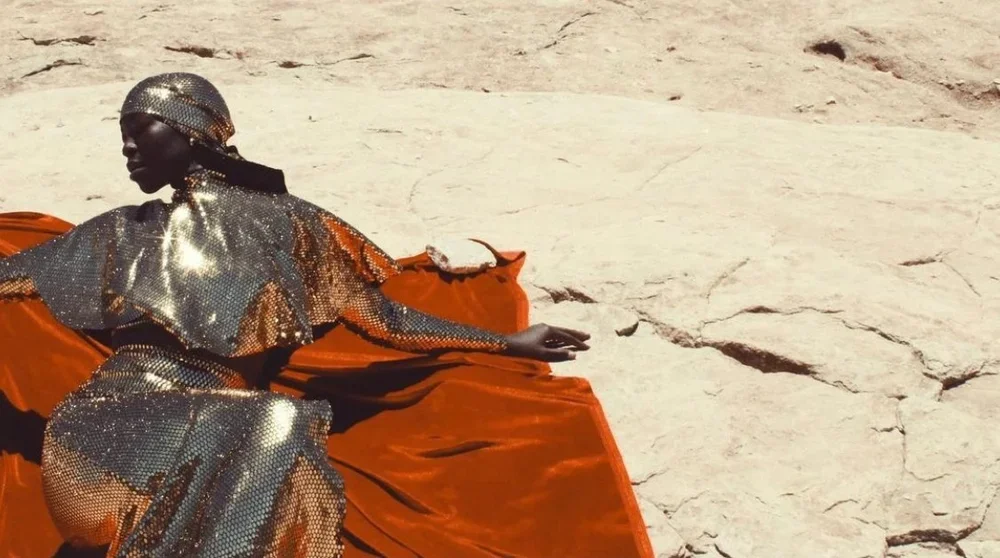
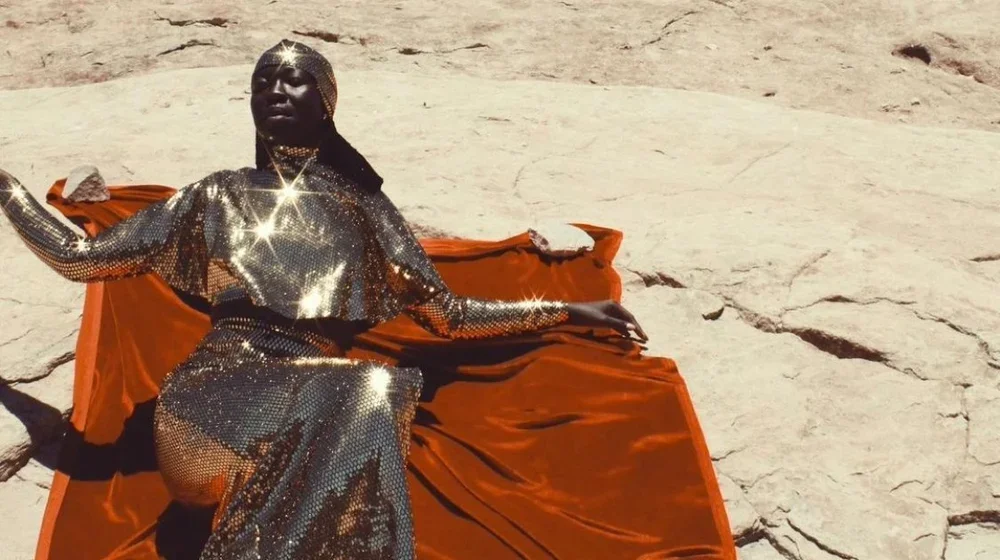
Before the durag appeared on runways, red carpets, magazine covers, and music stages, it already had a purpose.
It protected our hair. It preserved our styles. It represented the time, patience, and discipline that went into caring for them.
For generations, Black people have used different forms of cloth and head coverings to protect their hair while working, resting, traveling, and moving through everyday life. The exact beginning of the modern durag is difficult to place, but its documented presence became increasingly visible within Black American communities during the twentieth century.
By the 1960s, the term “do-rag” was appearing in print as a name for the cloth Black men wore to protect and maintain their hairstyles. During the decades that followed, the durag grew beyond its private function. It became visible in the streets, in barbershops, in music, in sports, and eventually throughout the wider fashion world.
But before the world called it fashion, Black people understood its function.
The Work Behind the Waves
The durag is often associated with waves, but waves do not happen simply because someone ties fabric around their head.
They require care.
Hair is brushed repeatedly in a consistent direction, trained over time, moisturized, compressed, and protected. The durag helps hold the hair in place, preserve the wave pattern, retain moisture, and reduce friction while sleeping.
That process takes patience and discipline.
When someone unties a durag and reveals a carefully maintained wave pattern, the result represents work most people never saw. They see the finished pattern, but not the hours of brushing, wrapping, moisturizing, and repeating the routine.
That is one reason the durag carries so much meaning. It protects both the hair and the labor invested in it.
Its purpose also extends beyond waves. Durags can help preserve braids, twists, locs, and other textured hairstyles. They can reduce friction, protect the hair from drying out, and keep a style in place overnight.
It is practical, but it has never been only practical.
From Private Ritual to Public Expression
For a long time, the durag was something many people mainly wore inside the home, while sleeping, at the barbershop, or underneath another hat.
Eventually, it stepped outside.
During the Black pride movements of the 1960s and 1970s, natural hair and Black presentation became increasingly visible expressions of identity. The way Black people wore, protected, and styled their hair could communicate pride within a society that regularly pressured them to change it.
By the 1990s and early 2000s, hip-hop brought the durag into even greater public view. Artists wore durags in music videos, during performances, in photographs, and on red carpets. What had once been treated as something that should remain private became an unmistakable part of popular culture.
The durag was tied at the back, worn underneath fitted caps, coordinated with entire outfits, or left with the tails flowing down the shoulders.
It became recognizable.
It became influential.
And once the world recognized its influence, fashion began pulling from it.
Celebrated and Criminalized
The durag’s history in fashion cannot be discussed without acknowledging contradiction.
The same item that has been celebrated on celebrities and recreated by luxury fashion brands has also been banned in schools, restricted by professional sports organizations, and treated as evidence of criminality when worn by ordinary Black people.
Black children have been told that wearing durags makes them look inappropriate or unprepared to learn. Black men have been stereotyped because of a piece of fabric created to protect their hair. In certain spaces, the durag has been treated as threatening—not because of what it is, but because of who it is associated with.
That is what makes its acceptance by the fashion world complicated.
When a durag appears in an editorial or on a runway, it can suddenly be described as bold, elevated, or avant-garde. But when the same item is worn in its original cultural setting, the person wearing it may still be judged.
The fabric did not change.
The perception of Blackness did.
The Durag as Personal Style
There is no single way to wear a durag.
It can be tied closely and cleanly around the head. Its tails can hang freely or become part of the shape of an outfit. It can coordinate with a suit, contrast with a casual look, or become the centerpiece of an entire visual concept.
The choice of material changes its presence too. Satin, velvet, leather, vinyl, mesh, denim, reflective material, and other textiles can transform the familiar form without removing its identity.
That is where design enters the conversation.
A durag can be functional and still be beautiful. It can protect the hair while carrying color, texture, craftsmanship, symbolism, and intention. It can belong in the bedroom, the barbershop, the street, the museum, the gallery, and on the red carpet.
It does not have to abandon one space to be accepted in another.
The Durag Is the Work
When I began Anonymousplugs in 2017, I was not interested in treating the durag as an afterthought.
I saw a form that already carried history, identity, protection, beauty, and Black cultural memory. I wanted to explore what else that form could hold.
Every Anonymousplugs durag is designed, cut, and sewn by hand. Through different materials, constructions, photographs, installations, and visual concepts, I use the durag to tell stories about culture and the people who created it.
Sometimes the durag is wearable design.
Sometimes it becomes sculpture.
Sometimes it becomes a crown, a connecting thread, a social question, or the center of an entire photograph.
The form remains recognizable, but its meaning continues to expand.
That is important because elevation does not mean removing the durag from the people who gave it meaning. It does not mean making it acceptable by separating it from Blackness.
True elevation means honoring what was already there.
The durag did not become valuable when high fashion discovered it. It did not become artistic when it appeared in an editorial. It did not become worthy when celebrities began wearing it publicly.
Its value was already present in the culture.
More Than Fabric
The durag is a practical tool, but it is also a personal ritual.
It is the brush sitting beside the mirror. It is the final step before going to sleep. It is the anticipation of the reveal. It is the care someone puts into their appearance, even when no one else is watching.
It is protection.
It is discipline.
It is style.
It is memory.
It is a piece of Black culture that has been imitated, misunderstood, criticized, celebrated, and continuously reinvented.
People may wear the durag in different ways and for different reasons, but its cultural foundation should never become invisible. Its movement into mainstream fashion should add to its story—not erase the people who built that story.
At Anonymousplugs, the durag is not merely placed beside the artwork.
The durag is the work.